29 Sep 2025
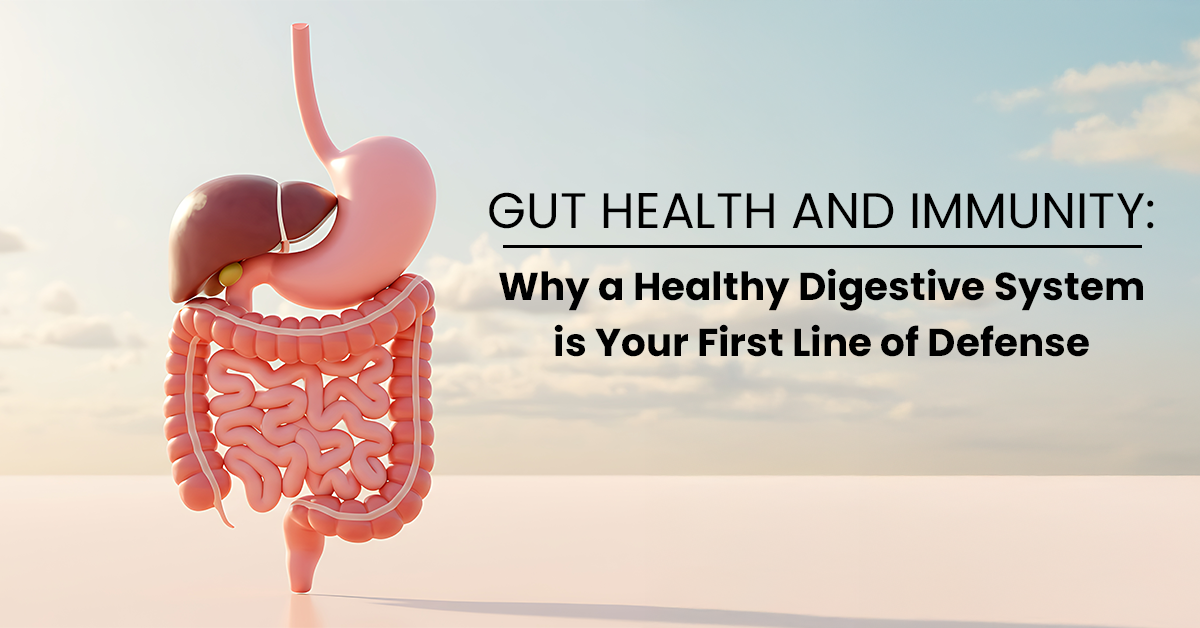
When most people think of the immune system, they imagine white blood cells, vaccines, or medicines that protect the body from infections. But did you know that one of the strongest shields against illness actually lies in your digestive system?
The gut is more than just a place where food is digested—it is home to trillions of microorganisms collectively known as the gut microbiota. These tiny organisms play a powerful role in regulating immunity, protecting us from harmful invaders, and keeping the body balanced. In fact, around 70% of the immune system resides in the gut.
This blog explores the fascinating connection between gut health and immunity, the foods and habits that strengthen it, and how lifestyle and medicines can work together to keep the digestive system in harmony.
The gut microbiota is made up of bacteria, fungi, and viruses that coexist peacefully in the intestines. When balanced, this ecosystem helps the body by:
When the microbiota is disturbed—due to poor diet, stress, or overuse of antibiotics—it can lead to weak immunity, frequent infections, and digestive disorders.
Diet is one of the strongest influencers of gut health. The right foods feed beneficial bacteria, improve digestion, and boost the immune system.
Probiotics are “good bacteria” that help restore balance in the gut. Common sources include:
Prebiotics are fibers that feed healthy gut bacteria. Examples:
High-fiber diets promote digestion and prevent constipation. Whole fruits, vegetables, legumes, and nuts are excellent choices.
Drinking enough water keeps the digestive tract functioning smoothly. Herbal teas like ginger or peppermint also soothe the stomach.
Turmeric, cumin, and ginger not only aid digestion but also have anti-inflammatory and immune-boosting properties.
Diet alone isn't enough—daily habits also play a big role in balancing the digestive system.
While lifestyle is the foundation of gut health, medicines and supplements can also help restore balance:
Pharmaceutical research is also exploring synbiotics—a combination of probiotics and prebiotics—as a powerful tool to support immunity and gut health.
The digestive system is directly linked to many aspects of health:
This makes gut health not only vital for digestion but also for overall immunity, disease prevention, and quality of life.
Your gut is not just a digestive organ—it's a powerful immune defense system. By eating the right foods, practicing healthy habits, and balancing lifestyle with appropriate medicines when needed, you can protect your body from infections and strengthen immunity naturally.
In the journey to better health, always remember: a healthy gut is your body's first line of defense. Nurture it, and your immune system will thank you.